
OUR PRIDE
INDIA'S CULTURE
WELCOME
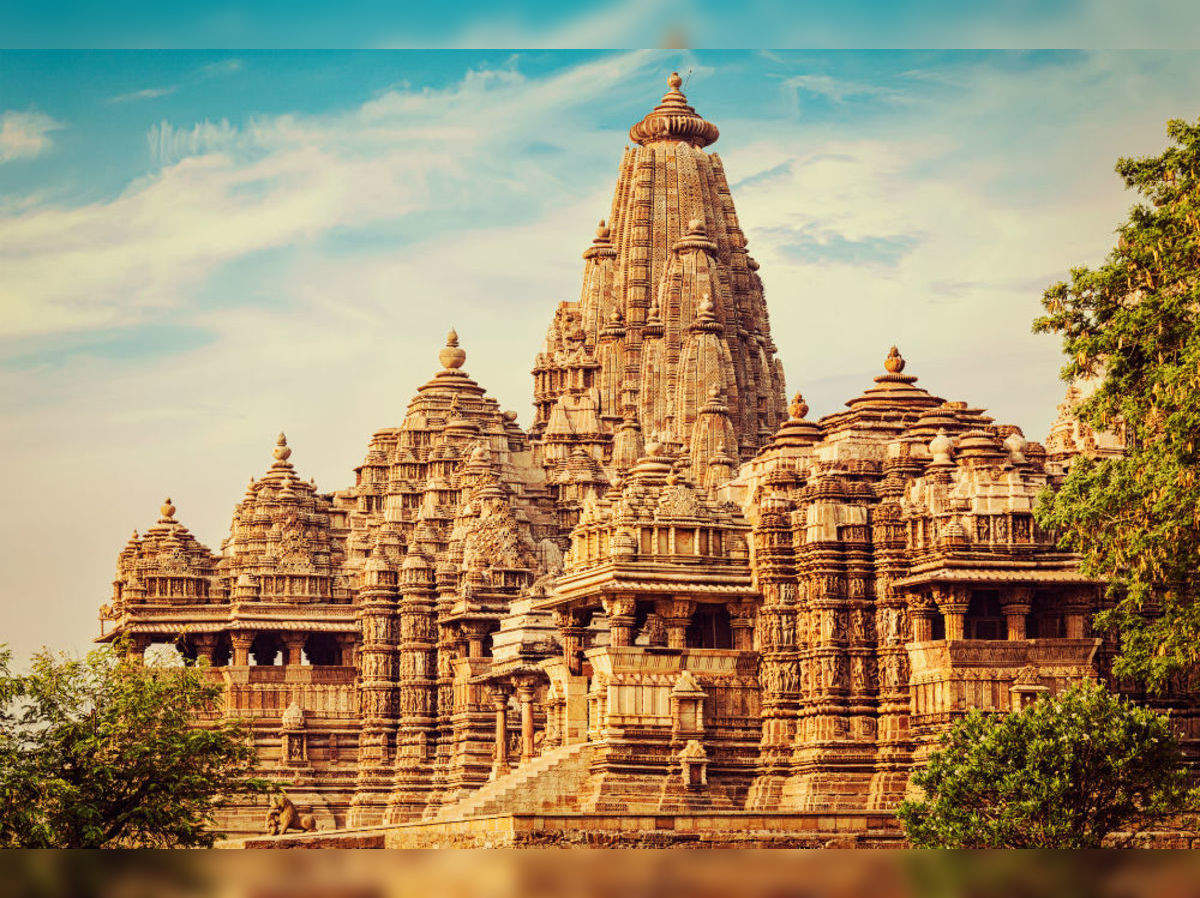
India's emerging culture is a dynamic blend of tradition and modernity. It reflects a youthful and tech-savvy generation, fostering innovation in technology, arts, and entrepreneurship. This new culture embraces diversity, global influences, and a vibrant pop culture scene while cherishing the timeless values and customs that have defined India for centuries.
India's culture is often regarded as one of the richest and most diverse in the world. Its heritage spans thousands of years, encompassing a tapestry of traditions, languages, religions, and artistic expressions. India's culture celebrates unity in diversity, offering a unique blend of ancient wisdom and contemporary dynamism.
BENGAL'S
BENGAL'S
DURGA
DURGA
PUJA
PUJA
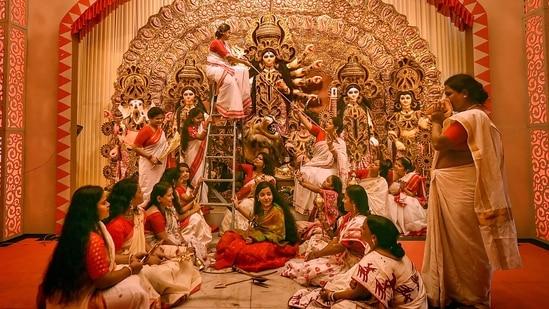
Durga Puja in Bengal stands as a testament to India's rich cultural diversity and artistic heritage. This grand festival is not only a religious celebration but also a cultural extravaganza that showcases Bengal's unparalleled artistry and creativity. From the intricately crafted pandals to the mesmerizing idols of Goddess Durga, every detail reflects the state's commitment to excellence in the arts. Beyond its artistic splendor, Durga Puja fosters a sense of unity and community, bringing people from all backgrounds together in harmony. This festival transcends religious boundaries and welcomes all to partake in its festivities. With its global recognition and tourist appeal, Durga Puja has become a cultural ambassador, making us proud of Bengal's contribution to India's rich tapestry of traditions.
SCIENTIFIC
SCIENTIFIC
VEDIC
VEDIC
SCRIPTURES
SCRIPTURES
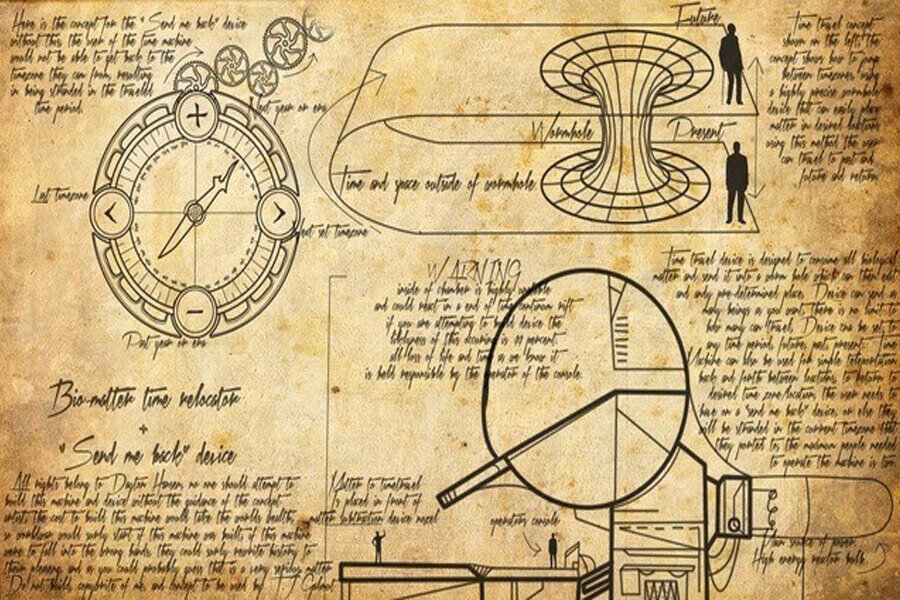
The Indian Civilization has a long recorded history of scientific culture that goes back to more than 5000 years. The ancient Vedic scriptures, spanning over 3,000 years, offer profound scientific insights. The Rigveda's hymns display an early understanding of celestial mechanics, describing the movements of celestial bodies and referencing astronomical phenomena, such as lunar phases and solar cycles. In the Yajurveda, a sophisticated decimal numbering system is introduced, featuring the revolutionary concept of zero, which laid the foundation for modern arithmetic. The Atharvaveda delves into herbal medicine, cataloging the healing properties of various plants. Moreover, the Vedas touch upon the fundamental principles of physics, discussing natural elements like water, fire, and air, and even alluding to the concept of energy. Notably, the revered "Hanuman Chalisa" metaphorically alludes to the Earth-Sun distance, aligning closely with modern calculations. Furthermore, these ancient texts explore profound philosophical concepts, such as non-duality (Advaita), which teaches that the individual soul (Atman) is one with the universal consciousness (Brahman), emphasizing the interconnectedness of all life and matter. In addition, Hindu funeral rites, including the practice of cremation, have been upheld for thousands of years. This tradition aligns with scientific principles, particularly Einstein's mass-energy equivalence (E=mc²), as during cremation, the body undergoes a transformation where matter is converted into energy in the form of heat and light. This ritual signifies the impermanence of the physical body and aligns with scientific principles regarding the conservation of energy. The enduring continuity of these practices underscores their profound significance and their integral role in both Indian culture and the intersection of spirituality and science.

NALANDA
NALANDA
UNIVERSITY
UNIVERSITY
Nalanda University, an ancient seat of learning founded in the 5th century CE during the Gupta dynasty, stands as an enduring symbol of India's rich educational heritage. Situated in the town of Nalanda, Bihar, this institution achieved unparalleled prestige in its time. It was renowned for its vast and diverse curriculum, which included subjects like philosophy, logic, grammar, mathematics, astronomy, and medicine, alongside its prominence in Buddhist studies. Nalanda's teaching methods were rigorous, with an emphasis on debates and discussions to foster critical thinking and analytical skills. It boasted a colossal library, often considered one of the largest in the ancient world, housing an extensive collection of manuscripts and texts that drew scholars and researchers from across Asia. Nalanda University's commitment to knowledge dissemination, coupled with its scholarly ambiance, made it one of the world's earliest and most influential residential universities, leaving an indelible mark on the history of education.
INDIAN
INDIAN
RITUALS
RITUALS
AND
AND
CULTURES
CULTURES
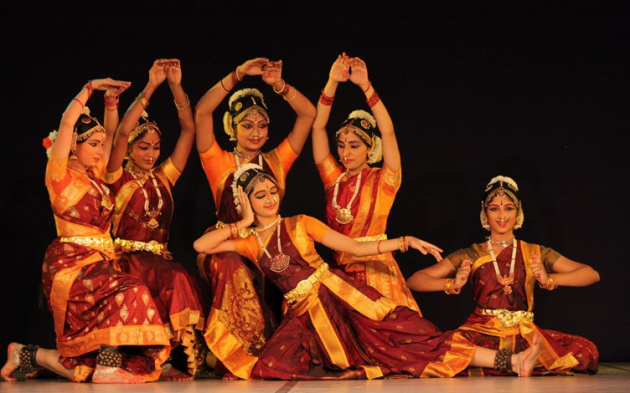
Indian culture is a mosaic interwoven with a tapestry of rituals, with many of these rituals having their roots in various traditions and religions. These rituals play a vital role in daily life and encompass a spectrum of significant life events. At its core, the Indian tradition centers around 'Pooja,' or worship. This can be a daily ritual performed in individual homes or grand ceremonies held in temples during special occasions. 'Pooja' involves the offering of prayers, incense, flowers, and food to deities, seeking their blessings and guidance. Additionally, the 'Aarti' ritual entails waving a lit lamp before deities, symbolizing the dispelling of darkness and the enlightenment of the soul. Indian life events are punctuated by elaborate ceremonies. For example, 'Namkaran' celebrates the naming of a newborn, 'Mundan' involves the first head shaving, and 'Annaprashan' marks the introduction of solid food to an infant. 'Vivaha,' or the wedding ceremony, is one of the most significant rituals, featuring customs such as the exchange of garlands ('Jaimala'), the application of vermilion ('Sindoor'), and the taking of the seven vows ('Saptapadi') around a sacred fire. The 'Antyesti' funeral rites are performed with solemnity, encompassing cremation or burial, along with rituals designed to ensure the peaceful journey of the departed soul. Festivals hold a prominent place in Indian rituals. 'Diwali' is one of the most widely celebrated festivals, signifying the triumph of good over evil, marked by the lighting of lamps, bursting of fireworks, and exchanging of gifts. 'Raksha Bandhan' strengthens the bond between brothers and sisters, who exchange bracelets as a symbol of love and protection. 'Holi' is a vibrant celebration of colors, marking the arrival of spring, and 'Karva Chauth' is a day when married women fast from sunrise to moonrise for the well-being of their husbands. These rituals, whether stemming from Hindu, Muslim, Sikh, Christian, or other Indian traditions, are deeply spiritual, steeped in tradition and symbolism. They serve not only as a means of connecting with the divine but also as a way of reinforcing the values of family, community, and unity in the diverse mosaic of Indian culture.
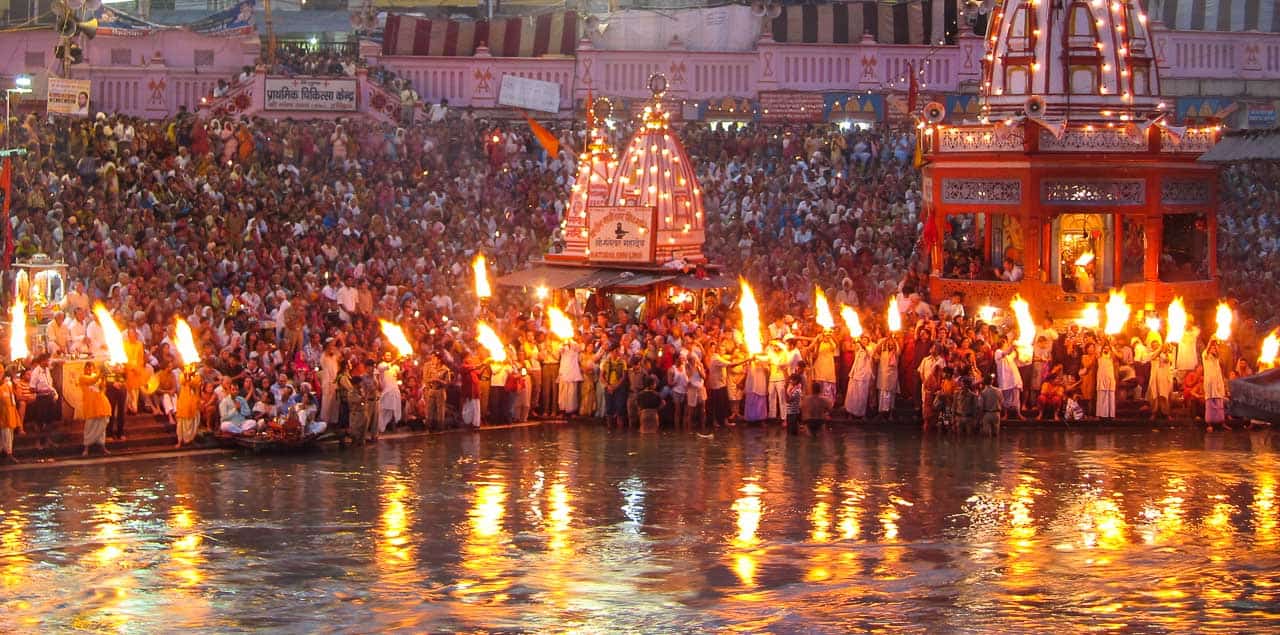
KUMBH
KUMBH
MELA
MELA
Kumbh Mela, the world's largest religious gathering, is a testament to the rich tapestry of India's cultural and spiritual heritage. This awe-inspiring event, held every 12 years at four sacred riverbanks in India - Allahabad (Prayagraj), Haridwar, Nashik, and Ujjain - draws millions of pilgrims and tourists from across the globe. The Kumbh Mela is a remarkable display of unity in diversity, where people of diverse backgrounds, beliefs, and traditions come together to seek spiritual enlightenment and cleanse their souls in the sacred waters of the Ganges, Yamuna, and other holy rivers. One of the reasons we should take pride in the Kumbh Mela is its historical and cultural significance. This ancient tradition dates back thousands of years, with mentions in ancient scriptures like the Puranas. It embodies the continuity of traditions that have been passed down through generations, offering a glimpse into the enduring soul of India. The meticulous planning and execution of this massive event showcase the country's organizational prowess, ensuring the safety and well-being of millions of participants. Furthermore, the Kumbh Mela is a testament to religious tolerance and inclusivity. It provides a platform for individuals from various faiths to come together in a spirit of harmony and mutual respect. This celebration of diversity reflects India's long-standing tradition of pluralism and peaceful coexistence. In an era marked by religious strife and intolerance, the Kumbh Mela stands as a beacon of hope, reminding us of the importance of unity amidst diversity. The economic impact of the Kumbh Mela is another reason for pride. It provides a massive boost to the local economy, generating employment opportunities, promoting tourism, and boosting trade. This economic vitality helps uplift communities in the vicinity of the event, contributing to the overall development of the region. In conclusion, the Kumbh Mela is an embodiment of India's spiritual, cultural, and social heritage. It symbolizes unity, diversity, tolerance, and economic prosperity. As we marvel at this grand spectacle, we should take pride in the values it represents and the role it plays in fostering a sense of community and spirituality among millions. The Kumbh Mela is not just an event; it is a testament to the soul of India and a source of pride for all its citizens.
INDIAN
INDIAN
FESTIVALS
FESTIVALS
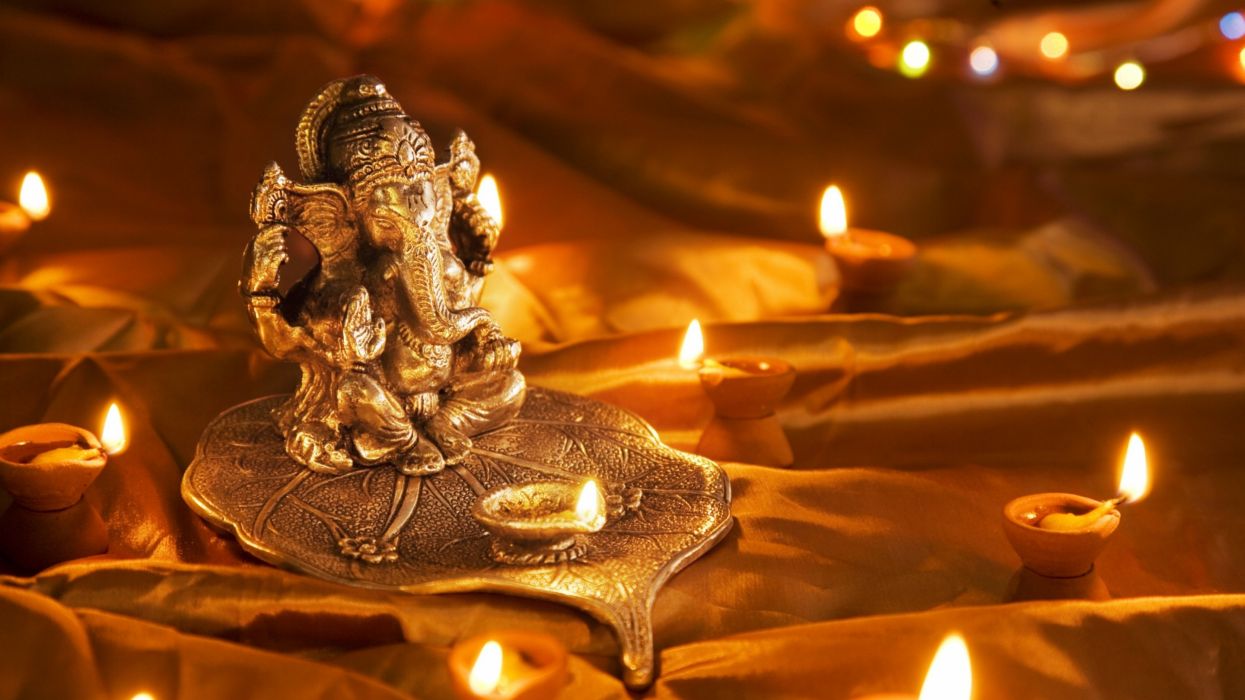
Indian Hindu festivals represent a dazzling tapestry of culture, tradition, and spirituality, offering a compelling reason for pride. These festivals, deeply rooted in the country's history, have transcended generations, creating a unique identity for India on the global stage. First and foremost, Indian Hindu festivals are a testament to the country's incredible diversity and pluralism. India, often dubbed as the "land of festivals," hosts a myriad of celebrations throughout the year, each with its own distinct rituals, symbolism, and significance. From the colorful revelry of Holi to the lights and sweets of Diwali, these festivals serve as a vibrant reflection of India's multifaceted society, where people of different languages, regions, and traditions come together to celebrate as one. Moreover, these festivals are deeply steeped in mythology and history, connecting the present generation with their ancestors. For example, Diwali, the festival of lights, commemorates the return of Lord Rama from exile, and Navratri celebrates the triumph of Goddess Durga over evil forces. These narratives not only instill a sense of cultural continuity but also impart valuable life lessons of good triumphing over evil, perseverance, and the importance of family bonds. Indian Hindu festivals also foster a sense of community and togetherness. Families and friends gather to perform rituals, exchange gifts, and share meals, reinforcing social bonds. Additionally, these festivals often include acts of charity, such as donating to the less fortunate, which promote compassion and empathy, fundamental values of the Hindu philosophy. Furthermore, the festivals are a visual and sensory delight. The vibrant colors, intricate decorations, and melodious music create an immersive experience that captivates the senses. The artistic expressions during festivals, such as rangoli, dance, and music, showcase India's rich cultural heritage and artistic prowess, further enhancing the sense of pride. In a rapidly changing world, Indian Hindu festivals serve as a link to the past, reminding us of our roots and providing a sense of identity and continuity. They also attract people from all over the world, fostering cultural exchange and promoting tourism, thereby contributing to India's soft power on the global stage. In conclusion, Indian Hindu festivals are a source of pride because they celebrate India's diversity, connect us to our heritage, nurture values, build communities, showcase artistic brilliance, and serve as cultural ambassadors to the world. They are a reminder of the rich tapestry of Indian culture and the enduring spirit of its people.
IF YOU LIKE CHECK OUT THESE TOO !!!!